Hybrid App Development for Android, iOS and Web
We build hybrid apps for iOS, Android and the web with Flutter or React Native. Because every platform shares one codebase, your app gets built once instead of twice.


Our happy clients
A Gold Stevie Award, 200,000 festival visitors, 4.4 stars on Google Play. Eight of over 200 projects, all live, every screen real. Two more we can name but not show.
See all projects
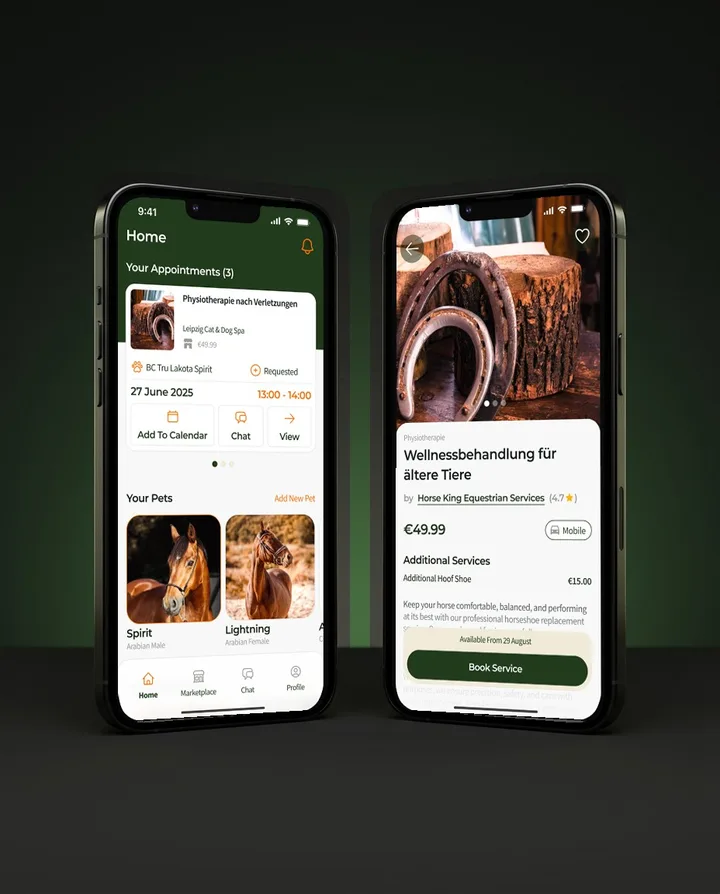

The platform for pet owners and pet professionals
With PetPlanner, pet owners find the right service providers near them, book appointments online and keep track of their pet's health data, appointments and key information at any time.- 4.4★★★★★544 reviews · 10,000+ downloads

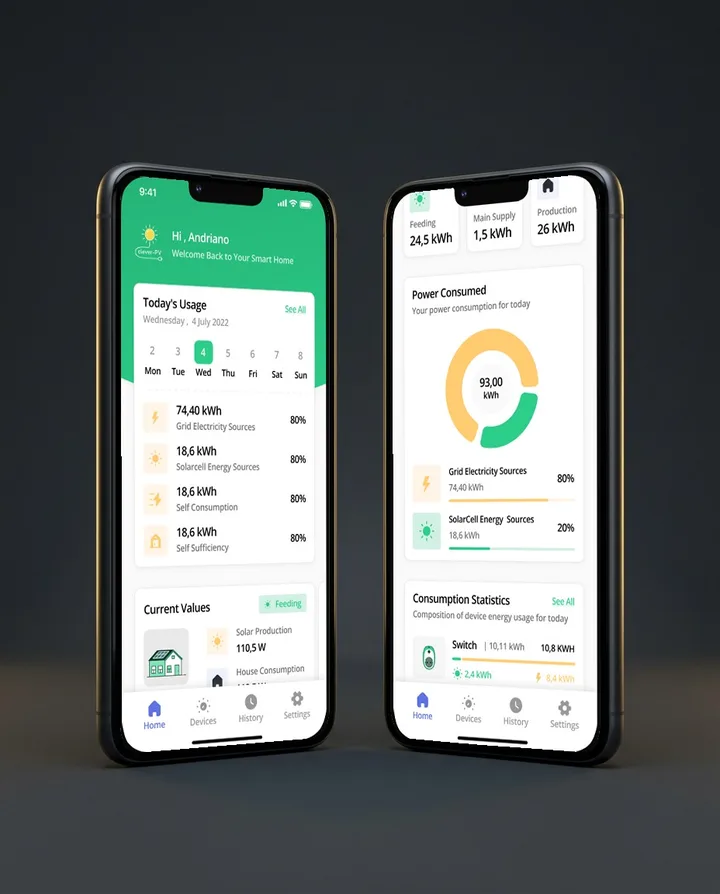

Energy that adapts to your life.
Clever-PV wanted more than just an app. They wanted to give households control over their energy. Our job: a UX and UI design that makes data clear, intuitive and easy to understand. - 4.8★★★★★250+ reviews · 60,000 users

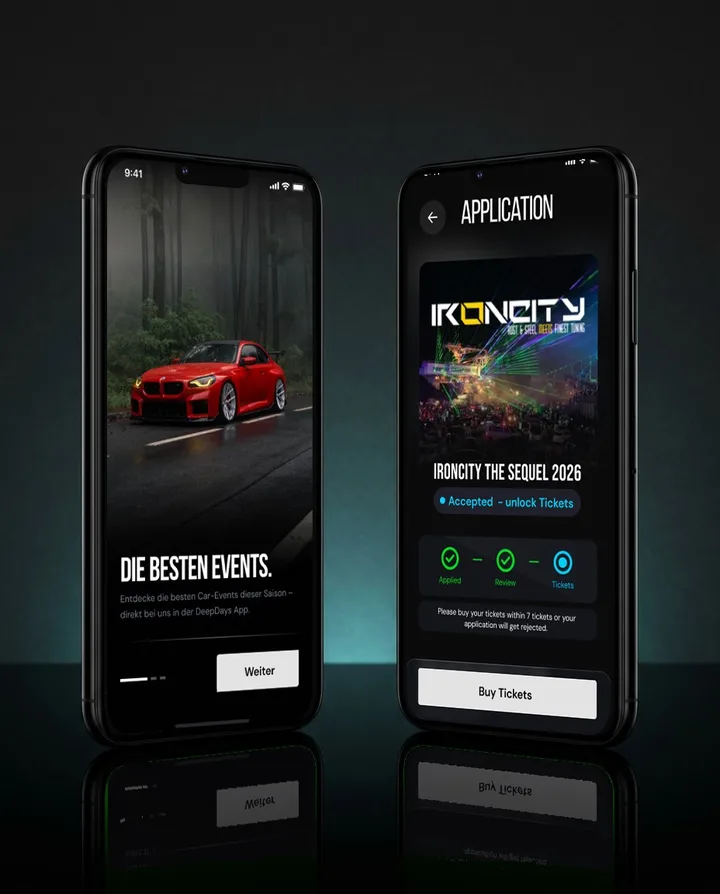

The app for everyone who loves cars and motorsport!
DeepDays is the app for car events, community voting and digital ticketing. From the first idea through UX/UI design to the technical build, we developed the product entirely ourselves and scaled it to over 50,000 users in a short time. - 200,000visitors
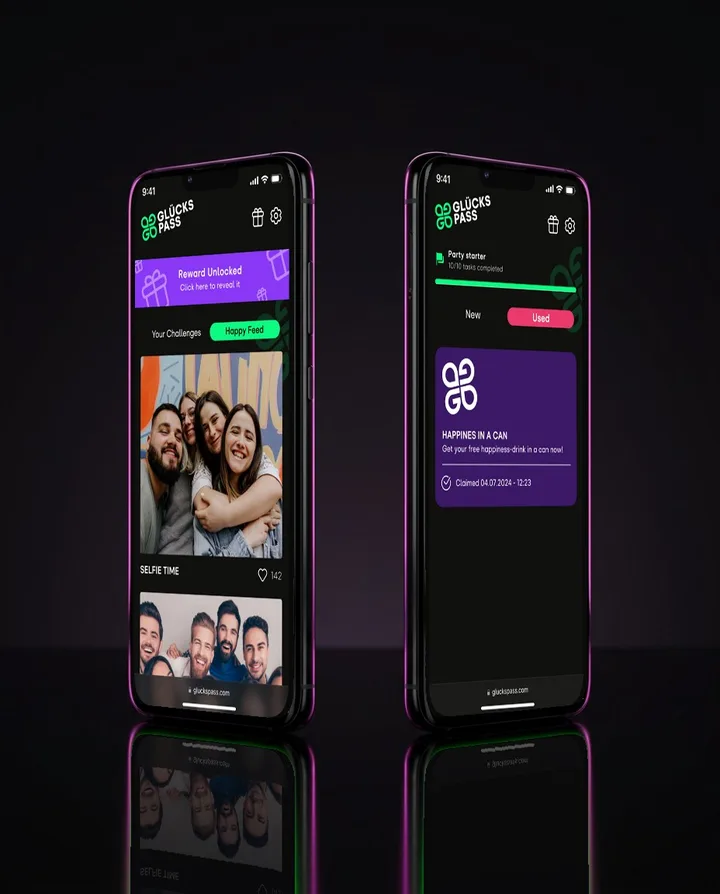

A festival that lets you play along.
For the Glücksgefühle Festival we built an app that gives 200,000 visitors interactive experiences, from ticketing and gamification to live communication. 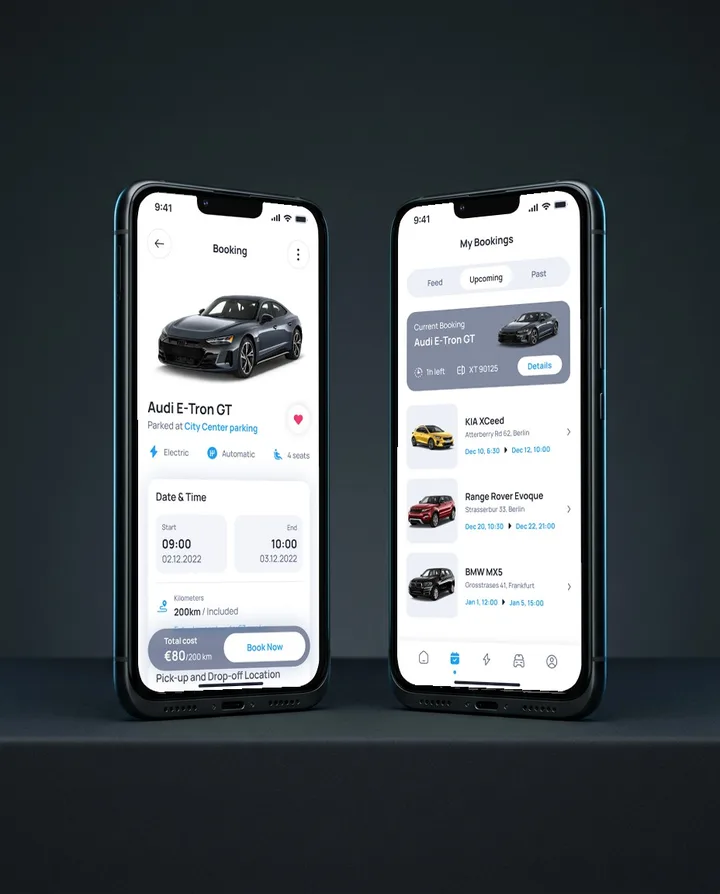

Manage thousands of vehicles at a glance
Smartmove needed a way to manage its vehicle pool efficiently. We built an intuitive interface with smart automation that's easy to understand in 10 seconds.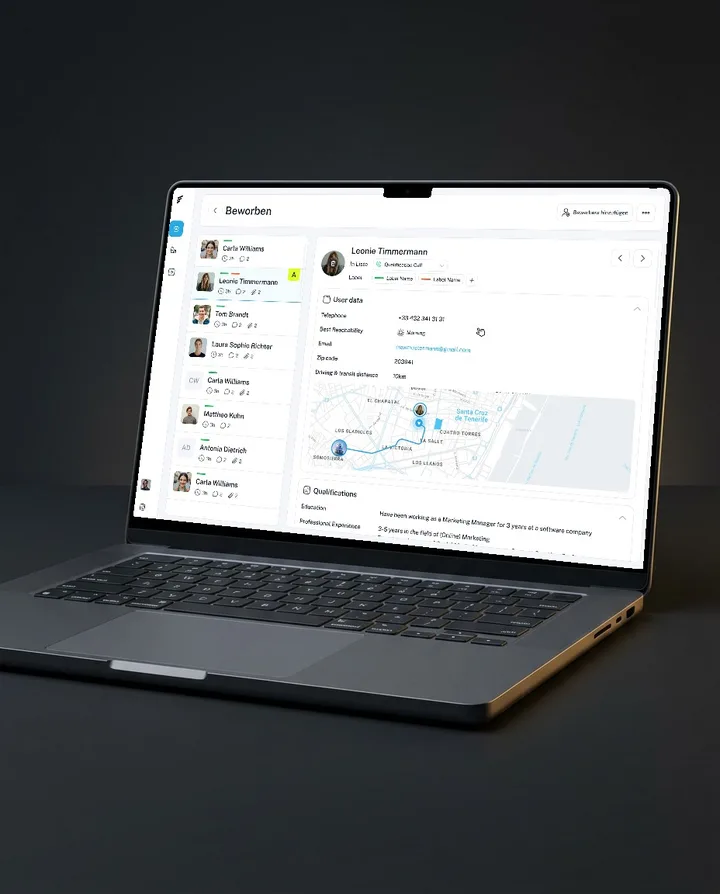

Recruiting software on autopilot
Recruiting is often chaotic and manual. With Funellab we built a platform that filters, organizes and matches applicants automatically.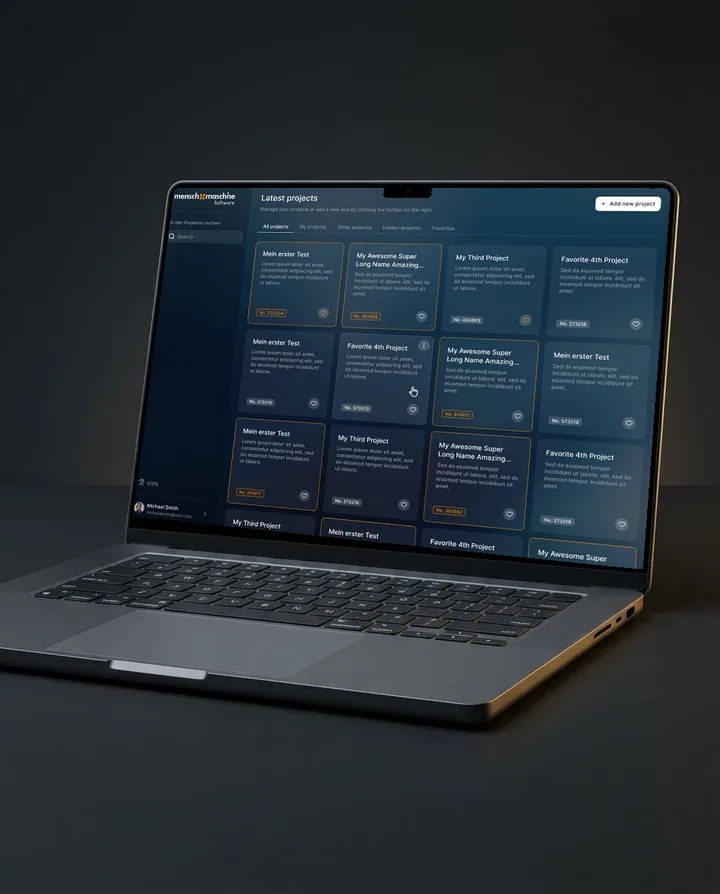

Complex CAD workflows made simple and intuitive.
Mensch und Maschine specializes in CAD and BIM software. We built an intuitive solution that simplifies complex processes and makes it easy for teams to work together.- Confidential


For Red Bull Salzburg. That's all we can say.
Not every project can be shown. What we worked on for Red Bull Salzburg stays confidential. If you build with us, you can count on the same discretion. - Confidential

For Evergreen. And that stays between us.
What we did for Evergreen stays in-house. Here too, we can't show anything. If you build with us, you can count on the same discretion.
What you get from hybrid app development
01
One app for iOS, Android and web
With one codebase you reach users on iOS, Android and in the browser. You don't need a separate app for each system.
02
Features like a native app
The app runs reliably on any device and uses the camera, location or local storage just like a native app.
03
Backend and admin panel
We connect your app to a backend that sends it data in real time. If you need one, we add an admin panel where you manage content yourself.
04
Less work for updates
All platforms share the same code, so each new feature only gets built once. That keeps the app easy to maintain and extend.
How your app project works with us
Concept and planning
Together we work out who will use the app, what it needs to do and which features come first. That becomes the concept for development.
Design and prototype
We design the screens and build a clickable prototype for iOS and Android. You give feedback before development starts.
Development and backend
We build the app with React Native or Flutter from one codebase for all platforms. Through APIs we connect it to a backend that stores your data securely.
Launch
We submit the app to the App Store and Google Play and take care of everything the stores require.
Updates and support
After launch, we keep your app up to date with new operating system versions. We add new features when you need them.
Typical hybrid app projects
01
E-commerce
Shops for iOS and Android with payments and push notifications, built from one codebase.
02
Social and community
Feeds, profiles and posts that launch on both systems at the same time.
03
Internal business apps
Apps for orders, working hours and customer data, connected to your database or CRM.
04
Events and ticketing
Sell tickets, add dates to the calendar and keep visitors informed with push notifications.
05
Navigation and maps
Apps with location, maps and routes, for example via Google Maps.
06
Fitness and health
Apps that track steps, calories or heart rate and connect to fitness devices.
The technologies we use for hybrid apps
We use technology that lets one codebase run on iOS, Android and the web.
- Back-end
- FirebaseAWS
- Front-end
- React NativeFlutter
- Management
- DiscordNotionTrello
- UX/UI Design
- FigmaIllustratorAfter Effects
Recognized for design, user experience and digital innovation
Nine out of twelve reviews say the same thing: we push back when something won't work for users.

“Top service, top results”
From day one, working together was simply fun. Together we developed the design of an app for managing concert tickets, and our ideas and wishes were not only heard but actively taken up and developed further in a meaningful way. What we especially valued was that requirements weren't simply ticked off: whenever something wouldn't have been the best solution from a UX or product perspective, it was raised openly, honestly and always constructively – along with well-thought-out alternatives. The team really engaged with our project, contributed their own ideas and worked with us to create the best user experience for our customers. The feedback rounds were always constructive, the lines of communication short, and decisions could be made quickly. In the end, we not only got a modern, well-thought-out design for our ticket app that we are very happy with, but also a collaboration shaped by trust, transparency and real partnership. Everything ran reliably on schedule, and at all times we felt we were working on a solution together – not as client and service provider. That's exactly how you imagine working with an agency. ⭐️
Read more on OMR ReviewsSophiaMarketing Manager, München Ticket GmbHTranslated from German“Professional collaboration as equals”
KNGURU developed the UI/UX design and the web app for us, and we are very happy with the result. The collaboration works excellently, both in regular online calls and in person on site. Together we discuss ideas, question processes and develop solutions that really fit the product in the end. We would especially like to highlight working with Vera and Louis. The chemistry is simply right – you can tell that they are not only strong professionally but truly understand our requirements and vision. Our own ideas are taken seriously, developed further together and implemented constructively. That creates the feeling of working on a product together rather than simply being client and service provider. Before KNGURU, we had worked with two other agencies and unfortunately did not have good experiences. That made us all the more pleasantly surprised by the transparent communication, the open collaboration and the fair pricing. You always know where you stand, there are no hidden surprises, and in our view the value for money is absolutely right. We look forward to continuing to work together and can recommend KNGURU to anyone looking for a reliable partner for modern UI/UX design and the development of high-quality applications.
Read more on OMR ReviewsSteveManaging Director, nextGYM GmbHTranslated from German“Five years of strong and reliable collaboration”
Our collaboration with Knguru started around five years ago with the smartmove app and continues today, as the product is still developed. Knguru supports us with UX and UI design for new features and updates. They also designed and developed our new landing page, while the app itself was implemented by our team. What I appreciate most is that Knguru does more than simply turn requirements into designs. The team asks the right questions, challenges ideas when needed and often suggests improvements to the original concept. Their long term knowledge of the product and our goals makes discussing new topics much easier. Communication has always been straightforward and reliable. I can share feedback openly, decisions are explained clearly, and the team reacts well when priorities or requirements change. This has made the cooperation efficient and pleasant over the years. The quality of the work has remained consistently high. The designs are modern and polished, but usability comes first. This is especially important for smartmove, where users need a simple and intuitive way to book and use shared vehicles. The same approach was applied to the new landing page, which presents the product clearly. Considering the quality, experience and product knowledge Knguru brings to the project, I believe the value for money is fair. After five years, I see them as a dependable long term partner rather than simply an external design agency.
Read more on OMR ReviewsMichaelCTO, smartmove“First-class collaboration with an exceptionally creative team”
We worked very intensively with Knguru in Q1 2026 on a concept for a new training platform in civil protection. The collaboration was excellent, and the Knguru team contributed a great many very good ideas of their own that went far beyond the scope of a UX design. I have never experienced such outstanding collaboration on a project with any other team, and I'm thrilled. I can recommend Knguru wholeheartedly and look forward to working together again.
Read more on OMR ReviewsChristianCEO, Civentis GmbHTranslated from German“His constructive feedback took our product to the next level.”
I worked with Louis on my project for about two months and I'm really very happy with him. I especially valued his open manner and his constructive feedback, based on his solid understanding of the market and of customers. I'd work with him again any time!
Read more on GoogleMartinGoogle reviewTranslated from German“We had an app UI designed and were impressed by the visual quality and the quick turnaround.”
KNGURU also gave us valuable input on usability, logic and the design approach. Bottom line: highly recommended!
Read more on GoogleGraceGoogle reviewTranslated from German“Easy collaboration with excellent design results”
We have been working with KNGURU since the beginning of the year and are delighted all round. Coordination is easy and fast, the team responds quickly to requests, is friendly throughout and always implements feedback promptly and carefully. We especially value their proactive thinking: KNGURU brings in its own creative suggestions but also implements stricter requirements consistently and reliably when needed. The design itself is lovingly thought through and always user-centered – which also goes down extremely well with our stakeholders, who are thrilled with the results. The designs of our portal have even become the model for our client's new digital style guide.
Read more on OMR ReviewsPiaProduct Owner, HÄVG AGTranslated from German“One of the best agencies we have worked with”
- Very likeable and competent team - Very modern, high-quality designs, not only beautiful but also easy to use - Communication was fast, straightforward and always on equal footing - You can tell that KNGURU has a lot of experience with apps, websites and digital products - Clear processes and transparent collaboration - Highly recommended for UX/UI, web design and app development in Leipzig
Read more on OMR ReviewsTobiasProduct Manager, OpenCloud GmbHTranslated from German“Top agency with a real feel for good design”
Working together is a real pleasure: you describe what you have in mind and get it back, only more beautiful and better thought through. Communication is fast and straightforward. On top of that comes a modern, well-thought-out design that not only looks good but also simply feels right to use. I have full confidence that Knguru always gets the best out of the requirements, and I look forward to the first drafts every time.
Read more on OMR ReviewsGalynaProduct Owner, HÄVG AGTranslated from German“Very happy with the collaboration”
We are working with KNGURU Studios on the launch of our new platform and are very happy with the collaboration. We especially appreciate how they think for themselves. The team doesn't simply implement our specifications but brings in its own ideas and develops them further in a meaningful way. You can also tell how much effort and attention to detail goes into the designs. Communication is fast and transparent, and we always know where the project stands. Feedback is taken up and implemented quickly. We are very happy with the collaboration so far and can recommend KNGURU Studios to anyone.
Read more on OMR ReviewsMarvinFounder & Managing Director, Academy of eSports GmbHTranslated from German“Professional collaboration with transparent communication”
Our new website is still being built, but so far we are very happy working with KNGURU. The team works professionally, understands our ideas and implements them very well. We especially appreciate the fast communication and the transparent way of working, which lets us follow the project's progress at any time.
Read more on OMR ReviewsErhanManaging Director, Academy of eSports GmbHTranslated from German
Frequently asked questions
What is the difference between hybrid and native apps?
A hybrid app runs on Android, iOS and the web from one codebase. A native app is programmed separately for each operating system.
Why should I have a hybrid app developed?
You get one app for Android and iOS instead of two separate ones. That saves time and money, and you still get the key features of a native app.
Which technologies are used in hybrid app development?
We mainly work with React Native and Flutter, and with Ionic on some projects. That lets one codebase run on every platform.
What are the pros and cons of a hybrid app?
You save time and money because one codebase covers several platforms. Native apps can have the edge on performance and on features that rely heavily on the hardware. We work out which fits your project better in the first call.
Book your free call.
We look at your plans with you as if they were our own. If the build isn't worth it, we'll tell you, even if that means no project.
Pick a day
Pick a day
Loading available times …